
When Your Last Teeth Cause Your Biggest Problems

Wisdom teeth have a talent for creating chaos. They arrive late, crowd the teeth that spent years getting into position, and often cause pain, swelling, and infection before most patients even realize what is happening. For many patients, removing wisdom teeth is one of the most important steps they can take to protect the smile they have worked hard to maintain.
At Southern Smiles in Jacksonville, FL, Dr. Bethany Burton provides wisdom teeth removal with the precision, technology, and genuine care that patients throughout Jacksonville have come to rely on. Whether your wisdom teeth are impacted, erupting at an angle, or already causing problems for neighboring teeth, Dr. Burton and her team are here to help. Call 904-389-3451 to schedule your consultation. Southern Smiles welcomes patients from Orange Park, St. Augustine, and Jacksonville Beach.
Meet Dr. Bethany Burton
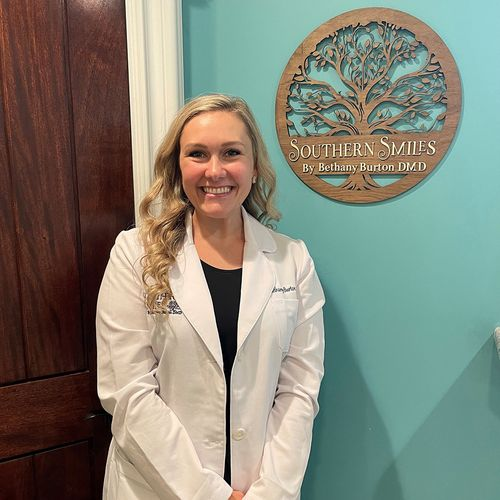
Dr. Bethany Burton completed her undergraduate degree at Western Kentucky University and earned her Doctor of Dental Medicine degree at the University of Kentucky. She went on to complete a general practice residency at Miami Valley Hospital in Dayton, Ohio, where she received her IV sedation certification. Dr. Burton is an active member of the American Dental Association, the Jacksonville Dental Society, the Northeast District Dental Association, and the American Dental Society of Anesthesiology. She has also received advanced training in implant dentistry through the Resnik Implant Institute.
Dr. Burton's philosophy is simple: every patient deserves to feel at ease during dental care. Her advanced training in oral surgery and sedation, combined with her warmth and attention to detail, has made her one of Jacksonville's most trusted dental providers. She and her team are always accepting new patients and would love to be part of your oral health journey.
What Are Wisdom Teeth, and When Do They Cause Problems?
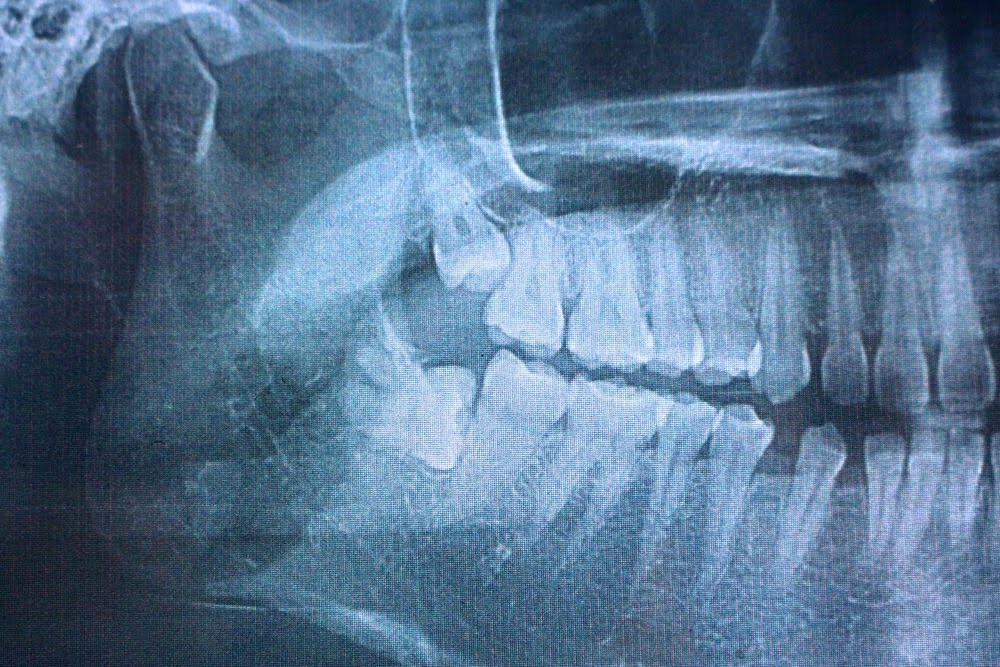
Wisdom teeth are the third set of molars, positioned at the very back of your mouth on the upper and lower arches. They typically erupt between the ages of 17 and 25, which is how they earned the nickname "wisdom teeth."For most people, the jaw simply does not have enough room to accommodate these late arrivals. When wisdom teeth cannot erupt properly, they become impacted, meaning they remain trapped beneath the gum line or emerge at an angle that pushes against neighboring teeth. The results range from mild discomfort to serious infection, cyst formation, and structural damage to adjacent teeth.
Not every wisdom tooth needs to come out. Dr. Burton evaluates each patient individually using advanced digital imaging to assess the position, angle, and relationship of the wisdom teeth to surrounding structures. If your wisdom teeth are fully erupted, properly aligned, and not causing any issues, monitoring may be all that is needed. But when problems are present or likely to develop, extraction is the right call.
Signs Your Wisdom Teeth May Need to Come Out
Wisdom teeth do not always announce themselves loudly. Some patients have significant impaction without noticeable pain until a problem becomes serious. Common signs that it is time to have your wisdom teeth evaluated include:
- Pain or pressure at the back of your mouth, especially along the jaw or near the ear
- Swelling, redness, or tenderness in the gums behind the second molars
- Difficulty opening your mouth fully or comfortably
- A bad taste or persistent bad breath stemming from the back of the mouth, which can indicate infection around a partially erupted tooth
- Visible crowding or shifting of nearby teeth
- Repeated infections in the gum tissue surrounding a partially erupted wisdom tooth
- Cysts or pockets of fluid forming around an impacted tooth
If you are experiencing any of these symptoms in Jacksonville, do not wait. Early evaluation and treatment prevent more complex problems down the road.
When Wisdom Tooth Removal Is Recommended
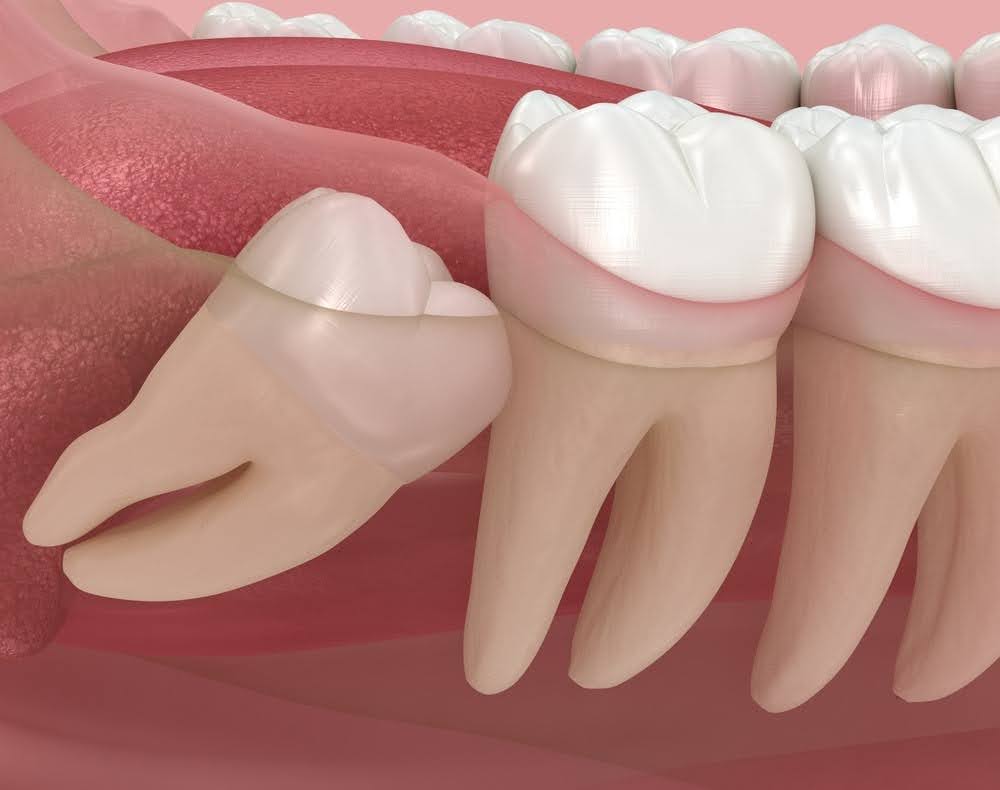
Dr. Burton recommends extraction when wisdom teeth meet any of the following criteria:
- Impaction: The tooth is fully or partially trapped beneath the gum and bone and cannot erupt naturally
- Improper angulation: The tooth is growing at an angle toward the adjacent molar, creating pressure that can damage that tooth's root
- Partial eruption: The tooth has broken through the gum surface partially, creating a flap of tissue where bacteria can accumulate and cause recurring infection
- Cyst formation: A fluid-filled sac has developed around the impacted tooth, which can damage bone and surrounding structures if left untreated
- Decay or gum disease: The position of wisdom teeth makes them impossible to clean properly, leading to cavities or periodontal disease
- Orthodontic interference: The erupting wisdom tooth is disrupting the alignment achieved through braces or other orthodontic treatment
Comfortable Wisdom Teeth Removal With IV Sedation
One of the most common reasons patients delay wisdom tooth removal is anxiety about the procedure itself. At Southern Smiles, that concern is taken seriously. Dr. Burton completed her general practice residency at Miami Valley Hospital in Dayton, Ohio, where she received her IV sedation certification, making her one of the relatively few general dentists qualified to administer IV sedation in the operatory.
How Can Dental Sedation Help You During Oral Surgery?
IV sedation allows patients to remain in a comfortable, deeply relaxed state throughout the procedure without the awareness or anxiety that comes with conscious treatment. It is particularly well-suited for wisdom tooth extraction because it works quickly, can be adjusted throughout the procedure, and wears off completely in a short time after treatment ends. For patients with dental anxiety, those having multiple wisdom teeth removed in a single visit, or anyone who simply wants the most comfortable experience possible, IV sedation changes everything.
Nitrous oxide and oral sedation are also available for patients who prefer a lighter level of relaxation. Dr. Burton will discuss all options with you during your consultation to determine the right approach for your needs.
What the Wisdom Tooth Removal Process Looks Like
Dr. Burton walks every patient through the process before treatment begins so there are no surprises. Here is what to expect:
1. Consultation and imaging: Digital X-rays and a clinical exam assess the position of the wisdom teeth and identify any complications that need to be addressed
2. Sedation administration: Your chosen sedation option is administered before any treatment begins, giving it time to take full effect
3. Local anesthesia: The treatment area is numbed completely, providing an additional layer of comfort throughout the procedure
4. Extraction: Dr. Burton gently loosens the tooth from its socket. Impacted teeth may require a small incision in the gum tissue and sectioning of the tooth for safe removal
5. Closure: The extraction site is cleaned, and sutures are placed if needed to support healing
6. Recovery instructions: Before you leave, the team provides detailed aftercare instructions and answers all your questions
Most patients have all four wisdom teeth removed in a single appointment, which means one procedure, one recovery period, and one return to your normal routine.
Recovery: What to Expect After Wisdom Tooth Extraction
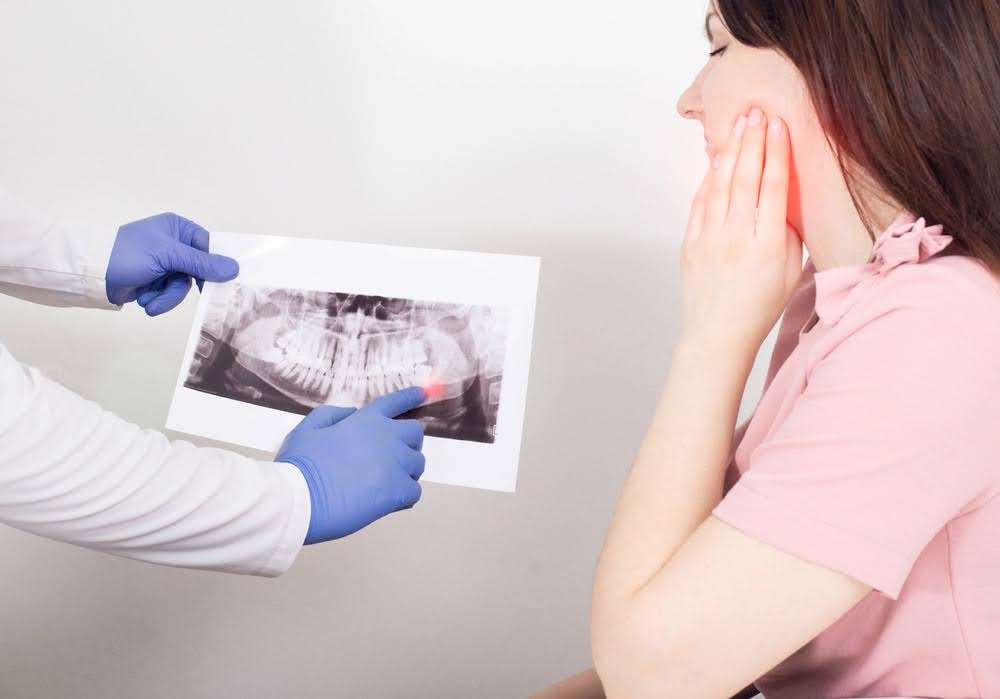
Recovery from wisdom tooth removal is manageable when patients follow the aftercare guidelines provided by Dr. Burton and her team. Most patients feel well enough to return to work or school within two to three days, though full tissue healing takes one to two weeks.
During recovery, it helps to:
- Stick to soft foods for the first several days. Good options include yogurt, mashed potatoes, smoothies, scrambled eggs, and soup cooled to a comfortable temperature
- Apply ice packs to the outside of the face in 20-minute intervals during the first 24 to 48 hours to manage swelling
- Rest and limit activity for the first day or two, as physical exertion can increase bleeding and slow the healing process
- Take prescribed or recommended pain medication as directed to stay ahead of discomfort during the initial healing phase
- Avoid straws, smoking, and spitting forcefully for at least 72 hours, as these actions can dislodge the blood clot that forms in the socket and lead to dry socket, a painful but preventable complication
- Keep the area clean by gently rinsing with warm salt water after the first 24 hours, avoiding direct brushing of the extraction sites
The Southern Smiles team is available to answer questions throughout your recovery and will schedule a follow-up to confirm the sites are healing properly.
Frequently Asked Questions
At what age should wisdom teeth be removed?
The most common window for wisdom tooth removal is between the ages of 17 and 25, when the roots of the teeth are not yet fully developed, and the bone surrounding them is less dense. Extraction during this period tends to involve less surgical complexity and a faster recovery than removal in later adulthood. That said, wisdom tooth removal is performed successfully in patients of all ages. If your wisdom teeth were never removed and are now causing problems, Dr. Burton can evaluate whether extraction is still the right course of action.
How long does wisdom tooth removal take?
The procedure itself typically takes between 45 minutes and an hour and a half, depending on how many teeth are being removed, their position, and whether they are impacted. Removing all four wisdom teeth in a single appointment is common and is generally the approach patients prefer, as it means one recovery period rather than multiple. Time in the office also includes preparation, sedation administration, and post-procedure monitoring before you are cleared to leave.
What is dry socket, and how do I avoid it?
Dry socket is a complication that occurs when the blood clot that forms in the extraction socket is dislodged or dissolves before the wound has healed, exposing the underlying bone to air and bacteria. It is the most common complication following wisdom tooth removal and causes significant pain, typically starting two to four days after the procedure.
The best ways to prevent it are avoiding straws, smoking, and spitting forcefully for the first several days, following all aftercare instructions carefully, and eating soft foods that do not disturb the clot. If you experience sudden, worsening pain after the first few days, contact Southern Smiles promptly.
Will I be awake during wisdom tooth removal?
That depends entirely on the sedation option you choose. With IV sedation, patients are in a deeply relaxed, semi-conscious state and have little to no memory of the procedure. With nitrous oxide or oral sedation, patients remain awake but feel calm and detached from the experience. Local anesthesia is used in all cases to eliminate pain regardless of which sedation level is selected. Dr. Burton will walk through all sedation options with you during your consultation so you can choose the level of comfort that is right for you.
Ready to Feel Better? Call Southern Smiles Today
Wisdom tooth pain and pressure are not things you should wait out. Leaving problematic wisdom teeth in place allows the situation to worsen, often leading to infection, damage to adjacent teeth, or more complex removal procedures down the road. The sooner an evaluation happens, the simpler and more straightforward the treatment tends to be.
Dr. Burton and the Southern Smiles team serve patients throughout Jacksonville and welcome those traveling from Orange Park, St. Augustine, and Jacksonville Beach. Call 904-389-3451 to schedule your wisdom teeth consultation, or request an appointment online at our Jacksonville dentist’s office located at 2522 Oak Street. You deserve a dental team that treats you like family from the moment you walk in the door.


